Sort for research priority, not an instant verdict on value. Keep unfamiliar older cards and uncertain variations out of bulk until you know what they are.
Put this guide to work
Use the details you have confirmed to research your card. Leave uncertain fields unconfirmed.
Research your card →Make three piles before looking up prices
A mixed box is easier to work through when each card has somewhere to go: research now, identify later, and familiar duplicates. The third pile is a holding category, not a declaration that the cards are worthless. Do not discard cards on the first pass.
Keep related sets together and handle small batches. Note which box each batch came from so the inventory still makes sense after a few evenings away.
Keep your inventory IDs separate from card numbers
Use obvious features as prompts, not price guarantees
Set aside serial-numbered cards, apparent autographs, memorabilia cards, possible rookies and unusual finishes. These features justify checking the exact issue; they do not prove scarcity, authenticity or demand. An apparent autograph may be printed, and an RC logo does not guarantee resale value.
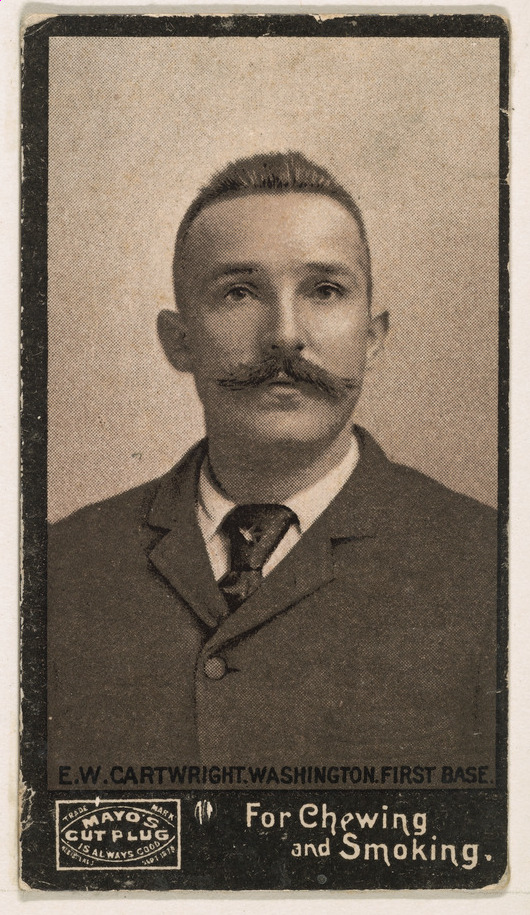
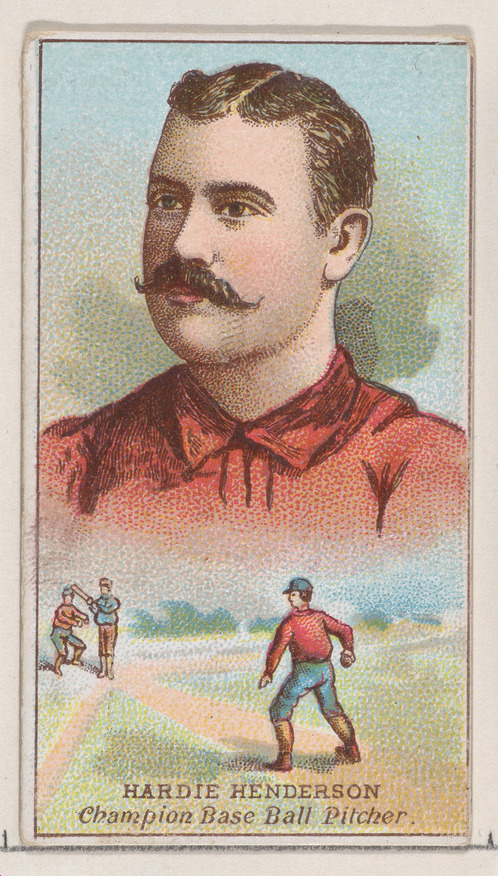
Also set aside unfamiliar older cards, unusual manufacturers, errors or variations that need checking, and subjects you do not recognize. A rule that sends every ordinary-looking base card to bulk can miss important older issues. Not every collectible rookie carries a modern RC logo.
Group by product, then check the numbers
Read the product wording and checklist number on both sides. Keep a serial stamp separate from the checklist number. Do not mix Chrome and paper issues because the photographs look alike. Use copyright dates as clues, then verify the release against a checklist.
Keep quantity as its own field. Five physical duplicates are five cards, not five different issues. For uncertain parallels, write “finish unconfirmed” and put them in the identify-later group.
Inspect condition before collecting sold prices
Record major creases, corner wear and surface problems. Do not throw a potentially interesting issue back into bulk solely because it is worn; find out what it is first. Keep visibly damaged copies separate when researching sold examples.
A heavily produced period can contain exceptions. Age alone does not establish rarity, and a broad era label is not a substitute for checking the actual card.
Research a small batch and stop when the match is unresolved
Choose a manageable batch and build exact searches from year, product, player, number and confirmed version. Inspect completed sales, including quantity and visible condition. Keep current asking prices in a separate column. If a scanner is used in a separate app, verify its candidate before copying any estimate.
For each researched card, note the evidence and next action: individual listing, player or team lot, hold, or further identification. Account for selling fees, supplies, shipping and the work involved before deciding that an individual sale is worthwhile. No fixed percentage of a mixed box is guaranteed to be valuable.
Keep the remainder organized
Store familiar duplicates by set, player or team so you can revisit them. For a bulk sale or donation, describe quantity, sport, approximate years and visible condition honestly. Keep the unresolved group separate; it is the pile most likely to be forgotten once the obvious cards have been researched.
A finished first pass should leave you with a usable inventory and a shorter list of questions. It does not need to produce a single impressive collection-value number.
FAQ
Is every numbered card valuable?
No. A numbered run is one part of the identity; demand, condition and comparable sales still matter.
How long should sorting take?
It depends on the box and how familiar the issues are. Work in small batches rather than relying on a guaranteed cards-per-minute estimate.