For an unfamiliar older card, use the scan as a lead and verify the issue from both sides. A vintage-looking design is not evidence of an original printing.
Put this guide to work
Use the details you have confirmed to research your card. Leave uncertain fields unconfirmed.
Research your card →An old-looking design can send you down the wrong path
A faded card comes out of a family box. The front has no obvious year, and a scanner returns an expensive vintage issue. That is a lead worth checking, not a discovery to announce yet. Later reproductions and commemorative releases can borrow an older design.
Start a note with what is visible rather than what the app guesses: player, team, printed number, publisher wording and any copyright or reprint language. Keep the scanner’s candidate in a separate line. This prevents an early guess from becoming the “fact” behind every later search.
Older cards do not all use the same format
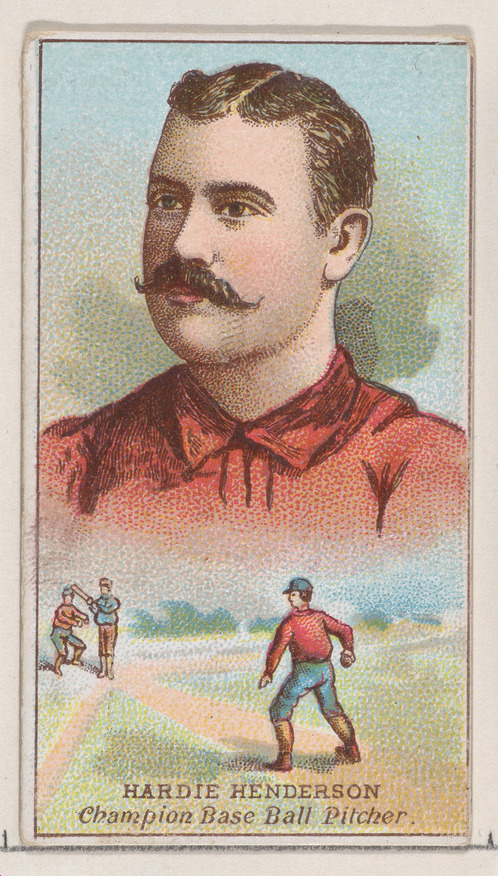
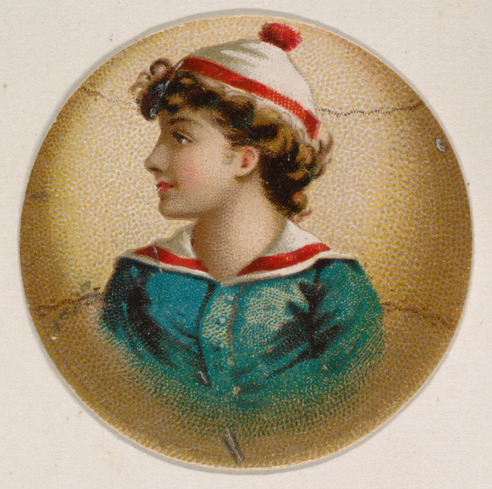
Photograph the reverse as carefully as the front
The back may provide a card number, checklist information or a printed explanation of the issue. Photograph it squarely enough to read the small text. If the reverse is stained or faded, make a transcription with question marks where letters or digits are uncertain.
Do not automatically use the most recent season in the statistics as the release year. Likewise, a copyright date or a date reproduced within an old design needs context. Compare the complete front-and-back layout with a reference for the proposed issue, including the wording and number placement.
Use the candidate to choose a reference, not a price
Look for the proposed set in a card catalog or checklist, then check whether your player and number belong together. PSA CardFacts is one possible starting point for issue research; its existence is not an authentication of the card in your box.
Compare format as well as artwork. A full-size card, miniature, oversize issue or album item should not share a value range merely because the portrait matches. If dimensions are relevant, measure carefully without bending the card, and compare with the specific issue reference rather than a universal size rule.
Keep reprints and suspected alterations unresolved
A photograph may fail to reveal printing differences, trimming or a subtle surface change. Neither a convincing scan nor a high-value catalog match resolves those questions. Avoid cleaning, trimming or “improving” the card to help identification; you could change the item you are trying to research.
For a potentially important purchase or sale, seek appropriate independent authentication. If a card is already slabbed, verify the record through the grading company and compare it with the item. PSA explicitly warns that a valid certification number does not eliminate counterfeit risk.
Only then compare condition and sales
After settling the issue as far as the evidence allows, compare raw cards with similar visible wear or graded cards with the same company and grade. A crease, paper loss or writing may matter more than a clean-looking front photograph suggests.
When you cannot distinguish an original from a later issue, do not blend their prices. Save the unresolved question and the reference images or links needed to answer it. A cautious label such as “possible match, printing unconfirmed” is more useful than a precise price for the wrong card.
WhatsMyCardWorth’s checker can help build the next research query, but the website does not authenticate vintage cards or determine a professional grade from an image. Keep those limits with the research note when sharing your findings with someone else.
Baseball cards listings to inspect
These Baseball cards listings can include different releases, parallels and grades. The seller’s title is not an identity check. Listing prices are not sold comps or an appraisal for this page’s version.
Loading current eBay listings…
Listings delivered by our related Carduno service. Asking prices are shown for context, not used to calculate card value. Photos remain hosted by eBay. No affiliate tracking is added by this website.
Compare listing photos and completed sales
Search: baseball trading card single. Check the exact version, grade and photos in each result; these searches can include mismatches.
Active asking prices are not completed-sale values. Results open on eBay; this is not an embedded or live inventory feed. No affiliate tracking is added to these links.
FAQ
Does a scanner identify whether a vintage card is genuine?
An image match is not authentication. Printing, dimensions, alterations and provenance may require closer or professional examination.
Should I use the last year shown in the statistics?
Treat it as a clue. Confirm the release against the exact issue reference and other printed details before assigning a year.
Related guides
Sources
Product details and dates were checked against these primary sources. Manufacturer descriptions are evidence, not market prices.